The Brief
At the peak of the Uber-vs-Ola war in India, a regional taxi operator needed more than a dispatch app — they needed a full platform: real-time booking, driver apps, passenger apps, a CRM for call-centre agents, fleet management dashboards, corporate billing, and a reporting engine that could tell them which driver performed best on a Tuesday night.
No AI tools. No LLMs generating boilerplate. No Copilot suggesting the next line. Just engineers who understood the domain deeply enough to model it correctly the first time.
The Scale of the Problem
India's cab market is unforgiving. Passengers expect sub-minute response times. Drivers need clear earnings breakdowns. Operators manage fleets of hundreds of vehicles across multiple cities. Regulators mandate Aadhaar-based KYC. Payment methods range from Paytm wallets to corporate credit accounts.
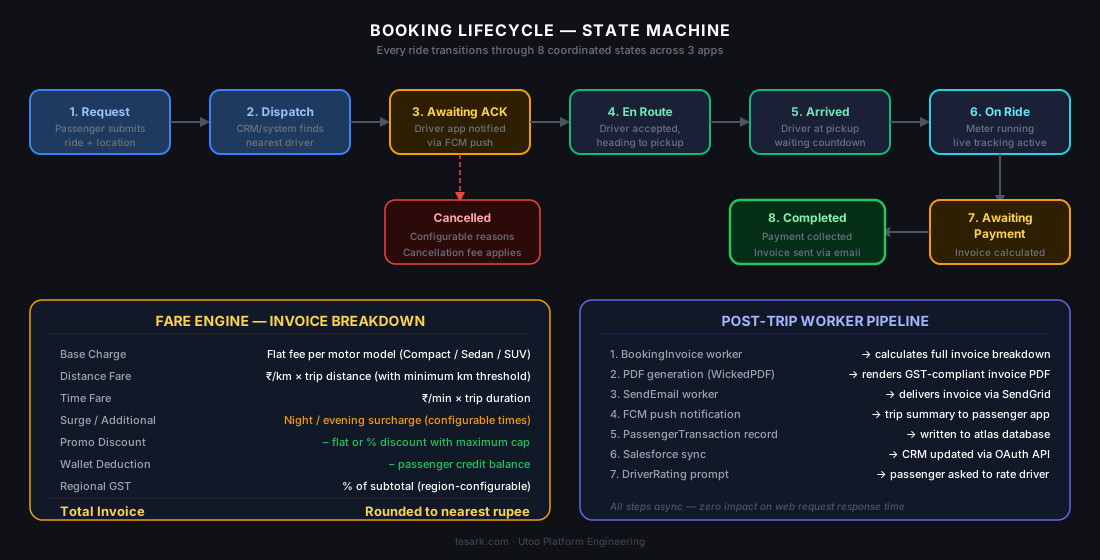
A single "booking" is actually a coordinated state machine touching multiple client interfaces, payment gateways, geographical boundaries, and background synchronization queues. Building this without scaffolding from AI is a statement about engineering craft.
What Was Built
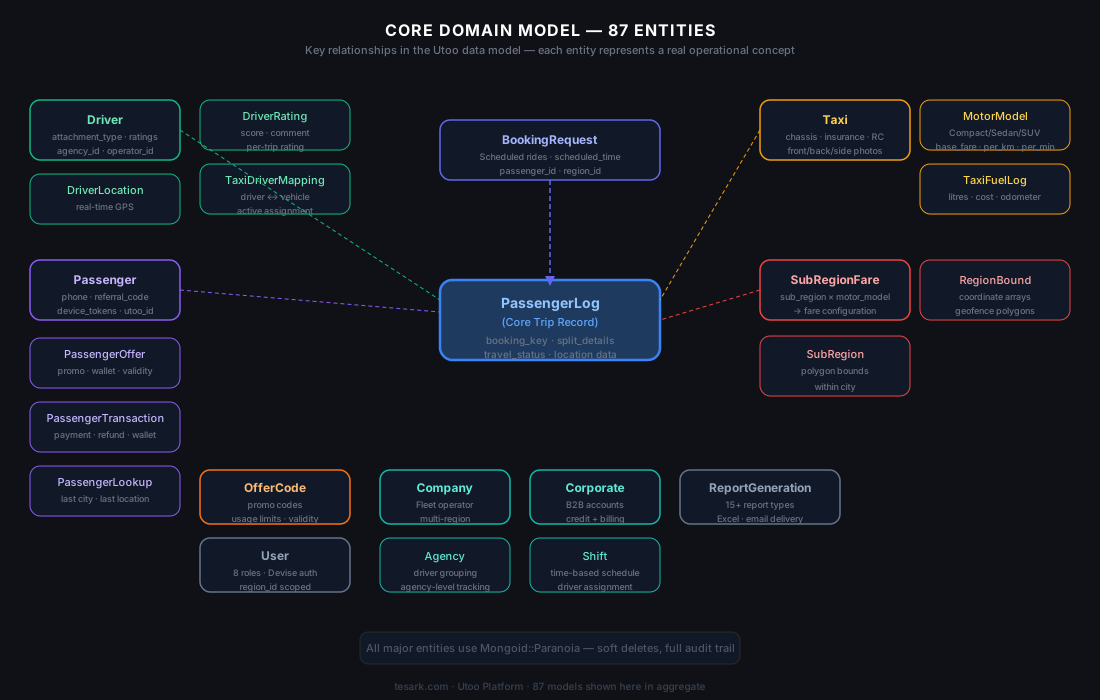
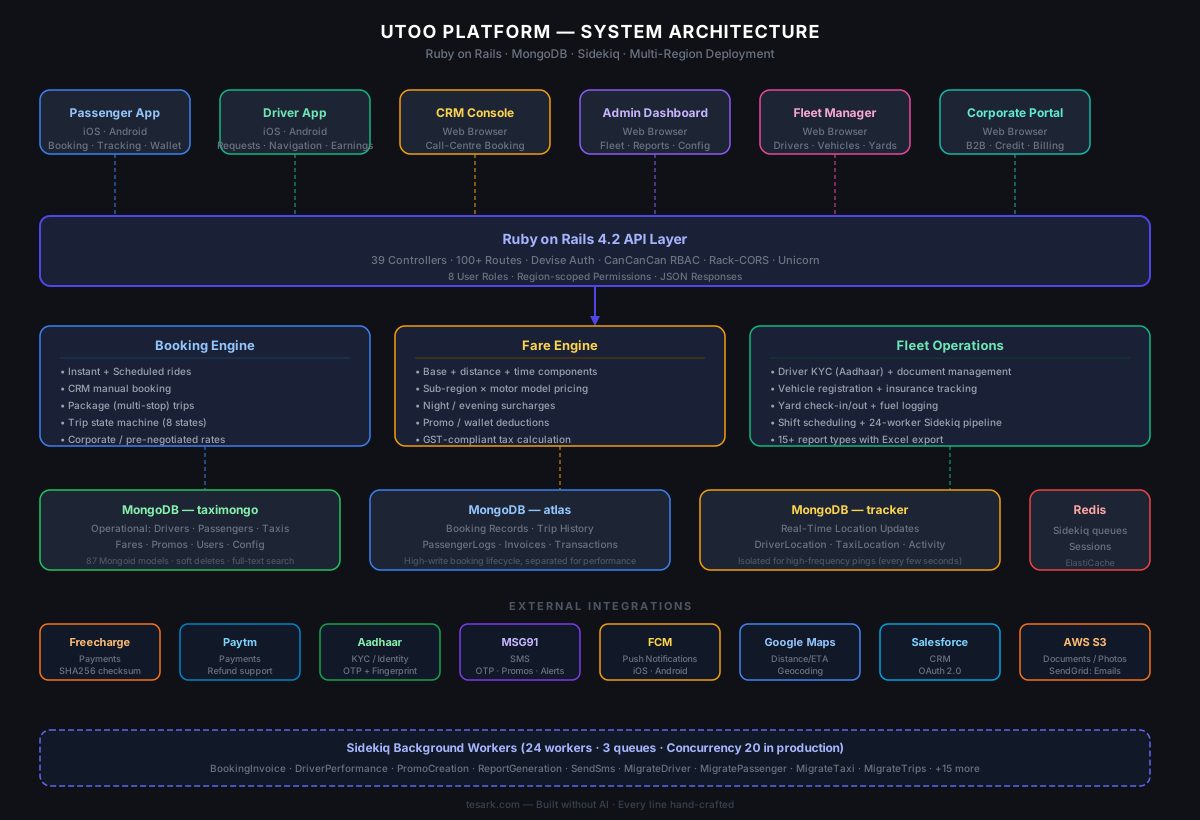
We engineered a complete, production-grade ecosystem supporting multiple user personas and heavy operational loads.
| Dimension | Metric / Count |
|---|---|
| Ruby source files | 690+ files |
| Lines of Ruby code | 12,000+ lines |
| Data models | 87 models |
| API controllers | 39 controllers |
| Background workers | 24 workers |
| External integrations | 8 integrations |
| User roles | 8 roles |
| MongoDB databases | 3 isolated instances |
| Report types | 15+ types |
The system coordinates everything from direct consumer-facing apps to business analytics platforms:
- Passenger-facing: Registration, instant and scheduled bookings, real-time driver tracking, referral structures, and native wallet systems.
- Driver-facing: KYC document renewal pipelines, shift schedules, ratings, and detailed earnings summaries.
- Fleet Operations: Yard check-in/check-out logs, fuel consumption, insurance monitoring, and driver-vehicle mapping.
- Corporate Accounts: Custom pre-negotiated corporate rates, multi-user client portals, and monthly ledger balance sheets.
The Broader Ecosystem
Beyond the core booking path, Utoo was built as an integrated suite of companion applications sharing the same backend database layers:
- Driver Management System (DMS): Manages driver compliance, performance histories, and vehicle allocation.
- Real World Simulator: Employs bots to model wait times, travel patterns, and supply-demand configurations under synthetic load before deployment to new cities.
- WAR Room Dashboard: Push-first monitor displaying active positions, SLA limits, and fleet KPIs for control-center dispatchers.
- Investor Portal: Strategic BI dashboard displaying city-wide revenue metrics and fleet utilization variables.